

Top 10 Small Business Ideas in the Netherlands 2026
Small Business Ideas in Netherlands
The Netherlands has long been the heartbeat of European commerce, a nation defined by its “polder model” of cooperation and a relentless drive for innovation. As we navigate through 2026, the Dutch economy has transitioned into a hyper-connected, sustainability-obsessed powerhouse. For the modern entrepreneur, this isn’t just a market; it’s a playground of opportunity. From the tech hubs of Eindhoven to the bustling canals of Amsterdam, the “Orange Economy” is booming.
The most significant catalyst for this growth is the integration of Artificial Intelligence (AI) into the Dutch SME (Small and Medium Enterprise) sector. AI has leveled the playing field, allowing solo entrepreneurs to manage complex logistics, automate Dutch-language customer service, and optimize energy grids with the click of a button. Whether you are looking for the best business ideas in the Netherlands to start locally or high-potential Netherlands online business ideas, the synergy between “Green” and “Tech” is where the profit lies.
In 2026, the Dutch government’s “Circular Economy 2050” roadmap and the push for total energy neutrality have created massive gaps in the market that only agile small businesses can fill. Here are the top five rebranded, high-growth ventures for the Netherlands in 2026.
1. “Eco-Gro” Urban Micro-Farms
Land is the most precious commodity in the Netherlands. In 2026, the “Farm-to-Fork” movement has moved from the countryside directly onto city rooftops and into repurposed shipping containers. Eco-Gro ventures utilize vertical hydroponics and AI-monitored nutrient cycles to grow premium microgreens, rare Dutch herbs, and strawberries in the heart of urban centers.
-
Target Audience: High-end Michelin-starred restaurants, local organic “Streekwinkels” (regional shops), and health-conscious urbanites via subscription meal kits.
-
Budget Range: €5,000 – €15,000 (For climate-control sensors, LED grow lights, and vertical racking systems).
-
Skill Level: Intermediate (Requires basic knowledge of botany and IoT/Sensor management).
-
Profit Expectations: €3,000 – €8,000 per month (High margins due to low transport costs and premium pricing).
-
Location Consideration: Rotterdam, Amsterdam, or Utrecht—areas with high restaurant density and limited garden space.
2. “Volt-Velo” Specialized E-Mobility Labs
Rebranded from: Electric bike repair and rental service
In 2026, there are more e-bikes than people in the Netherlands. However, the complexity of modern mid-drive motors and integrated lithium batteries has outpaced the skills of traditional bicycle repair shops. Volt-Velo is a specialized diagnostic and repair lab that focuses exclusively on high-performance e-bikes, speed pedelecs, and electric cargo bikes (bakfietsen).
-
Target Audience: Daily commuters, “Thuisbezorgd” delivery riders, and high-end tourists.
-
Budget Range: €3,000 – €7,000 (Specialized diagnostic software, battery testing equipment, and a mobile repair van).
-
Skill Level: High (Requires certification in electrical engineering or specialized e-bike mechanics).
-
Profit Expectations: €4,000 – €10,000 per month (Boosted by monthly maintenance subscriptions for delivery fleets).
-
Location Consideration: Near major train stations (NS Stations) or in bike-centric cities like Groningen and Nijmegen.
3. “Circular Couture” Upcycle Studios
The Dutch consumer in 2026 views “New” as “Wasteful.” Circular Couture is a boutique fashion house that doesn’t manufacture from raw textiles but “mines” existing waste streams—old denim, industrial tarps, or vintage deadstock—to create high-end, one-of-a-kind statement pieces. This is one of the most aesthetic Netherlands online business ideas, leveraging platforms like Instagram and Vinted.
-
Target Audience: Eco-conscious Gen Z and Millennials, and sustainable fashion influencers.
-
Budget Range: €1,000 – €3,000 (Industrial sewing machines, textile sanitization tools, and digital marketing).
-
Skill Level: Intermediate to High (Fashion design, sewing, and brand storytelling).
-
Profit Expectations: €2,000 – €6,000 per month (Scalable through global shipping).
-
Location Consideration: Online-first, with pop-up presence in “De Negen Straatjes” (Amsterdam) or the Eindhoven Design District.
4. “Green-Pulse” Digital Growth Partners
In 2026, every Dutch “Green-tech” startup is fighting for attention. Green-Pulse is a specialized digital marketing agency that uses AI-driven SEO and data analytics specifically for B-Corp certified companies and eco-startups. Because you speak the language of sustainability (CO2 footprints, ESG reporting), you are a partner, not just a service provider.
-
Target Audience: Dutch solar startups, plant-based food tech companies, and circular economy NGOs.
-
Budget Range: €500 – €2,000 (Primarily for AI marketing tools like Gemini Advanced, SEO suites, and high-speed internet).
-
Skill Level: Intermediate (Mastery of SEO, Dutch/English copywriting, and AI content orchestration).
-
Profit Expectations: €5,000 – €12,000 per month (Retainer-based model provides steady cash flow).
-
Location Consideration: Fully Remote. Work from a beach club in Scheveningen or a co-working space in Delft.
5. “Smart-Sync” Energy Optimization Services
With Dutch energy prices remaining volatile in 2026, “Smart Homes” have moved from luxury to necessity. Smart-Sync specializes in integrating solar panels, heat pumps, and EV chargers into a single AI-managed home dashboard. You don’t just “install” devices; you “tune” homes to ensure they consume energy when it’s cheapest and sell it back to the grid when it’s most expensive.
-
Target Audience: Homeowners of older Dutch townhouses looking to retrofit, and developers of new “Zero-Emission” housing projects.
-
Budget Range: €4,000 – €10,000 (Testing equipment, partnership fees with hardware manufacturers, and a professional toolkit).
-
Skill Level: High (Technical knowledge of smart home protocols like Matter/Thread and home energy auditing).
-
Profit Expectations: €6,000 – €15,000 per month (High ticket prices per installation).
-
Location Consideration: Suburban expansion zones like Almere, Leidsche Rijn, or the outskirts of Eindhoven.
TOP 5 ONLINE BUSINESSES IN THE NETHERLANDS 2026
The entrepreneurial spirit of the Netherlands has always been defined by the “Polder Model”—cooperation, innovation, and an uncanny ability to turn water into land. In 2026, that same spirit has migrated to the digital realm. The “Orange Economy” is no longer just about physical exports; it is about high-speed fiber optics, creative content, and the massive leverage provided by Artificial Intelligence (AI).
We are living in an era where the barrier to entry for starting a business in Amsterdam, Rotterdam, or Utrecht has virtually disappeared. AI tools like Gemini, Grok, and Hailuo have democratized specialized skills. You no longer need a degree in cinematography to run a global YouTube channel, nor do you need a team of coders to launch a high-traffic blog. In the Netherlands, where the digital infrastructure is among the world’s best, these AI possibilities mean you can start a global business from a 10-square-meter apartment with almost zero capital.
6. Automated Wealth Growth with Brand New Day
While not a traditional service-based business, managing your capital in the Netherlands has become an automated online venture. Successful digital nomads and local entrepreneurs are utilizing Brand New Day—the leading Dutch low-cost investment platform—to grow their earnings automatically.
-
How it Works: You set up an automated investment account (beleggen). Instead of picking individual stocks, you use their low-cost index funds. In 2026, AI-driven “robo-advisors” within these platforms help you rebalance your portfolio based on your goals, ensuring that while you work on your other online businesses, your money is working for you.
-
Target Audience: Dutch residents looking for long-term wealth building or pension supplementation.
-
Costs Involved: €0 – €50 (Minimum initial deposit).
-
Skill Level: Beginner (The platform does the heavy lifting).
-
Profit Expectations: Historically 5% – 8% annually, compounding over time.
-
Challenges: Market volatility; requires the discipline not to withdraw funds during temporary downturns.
7. “Lage Landen” Lifestyle Vlogging: The Gio Latooy Model
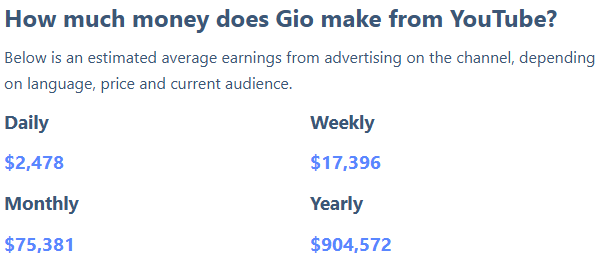
The “Lifestyle” niche is the ultimate low-investment business because you are the product. In the Netherlands, creators like Gio Latooy have turned daily vlogging into a massive empire. By documenting his life, travels, and even luxury stays, Gio generates an astronomical income—surpassing $75,381 USD (approx. €70,000) per month.
-
How it Works: You create video content around your daily life—Dutch food, cycling culture, or hidden gems in the Veluwe. Using AI video editors, you can now take raw footage and have it color-graded and cut in minutes. AI also helps generate viral titles and descriptions that rank globally.
-
Target Audience: Gen-Z and Millennials in the Netherlands and international viewers obsessed with Dutch living.
-
Costs Involved: €0 (If you own a smartphone).
-
Skill Level: Beginner to Intermediate (Focus on charisma and storytelling).
-
Profit Expectations: €1,000 – €75,000+ per month (Highly scalable via AdSense and brand deals).
-
Challenges: High competition; requires extreme consistency to build a loyal community.
The AI Cat Pivot: If you don’t want to show your face, 2026 is the year of the AI Pet Channel. Channels like HappyMeow86 use apps like Hailuo to generate funny, cute, or surreal cat videos. You don’t even need a real cat to start earning from global views.
8. The “Oranje Intel” AdSense Empire
Blogging in the Netherlands has evolved. Google pays Dutch bloggers through the AdSense program, and with the high “Cost Per Click” (CPC) in the Dutch market, this is a gold mine. If you can provide information that people are searching for, Google will pay you to show ads on your site.
-
How it Works: You decide on a niche (e.g., “Living as an Expat in Eindhoven” or “Sustainable Dutch Gardening”). Register a domain, use AI to help research and draft deep-dive SEO articles, and post consistently. After a few weeks, apply for Google AdSense. You get paid every month, typically between the 21st and 24th.
-
Target Audience: Local Dutch speakers, expats, or international tourists looking for specialized info.
-
Costs Involved: €30 – €60 (Domain name and one year of web hosting).
-
Skill Level: Intermediate (Requires basic understanding of SEO and keyword research).
-
Profit Expectations: €200 – €3,000 per month as your traffic compounds.
-
Challenges: SEO takes time (3–6 months) to start ranking on the first page of Google.
9. TikTok “Live-Gift” Entrepreneurship
TikTok has transformed from a dance app into a live entertainment platform in the Netherlands. “Live Gifting” is now a mainstream business model where creators earn direct currency from their audience in real-time through virtual gifts.
-
How it Works: Once you have a following (usually 1,000+), you go “Live.” Your audience sends you “Virtual Gifts” (like Roses or Lions) that have a monetary value. You can then cash these out. Successful Dutch creators host Q&As, perform music, or share specialized skills during their lives.
-
Target Audience: Gen-Z and Millennial Dutch users looking for real-time interaction.
-
Costs Involved: €0.
-
Skill Level: Beginner (Requires high energy and the ability to engage a crowd).
-
Profit Expectations: Highly variable; can range from €100 to €5,000 per month depending on your “viral” moments.
-
Challenges: Dealing with “haters” in real-time; requires many hours of active “Live” time to be profitable.
10. High-Ticket Affiliate Marketing in the Netherlands
Affiliate marketing is the ultimate digital brokerage. You promote other people’s products, services, or courses and earn a commission on every sale. In 2026, the trend in the Netherlands is “Professional Recommendations.”
-
How it Works: You identify high-quality services (e.g., a top-tier Dutch graphic designer, a specialized dentist in Amsterdam, or a skincare specialist). You create content on social media recommending their expertise. When someone uses your link or referral code, you get a commission. There are also global platforms where you can promote software (SaaS) or Dutch-language online courses.
-
Target Audience: Consumers looking for trusted reviews and expert advice.
-
Costs Involved: €0 (If using social media organically).
-
Skill Level: Intermediate (Requires a “niche” audience and the ability to influence purchasing decisions).
-
Profit Expectations: €500 – €10,000+ per month (Highly dependent on the “ticket price” of the item being sold).
-
Challenges: Building an audience that trusts your recommendations over traditional ads.
Your Digital Orange Future
The Netherlands in 2026 is no longer just a land of tulips and windmills—it is a land of digital opportunity. Whether you are using AI to create a viral pet channel or building a high-authority blog for the AdSense program, the tools are cheaper and more powerful than ever. The golden rule of 2026: don’t wait for “perfect.” Start with your smartphone, leverage AI for the “grunt work,” and be consistent.