


Top 10 Small Business Ideas in China 2026
The Chinese business landscape is transforming faster than ever before. As we move through 2026, the convergence of rapid digital innovation, sophisticated consumer demands, and the ubiquitous expansion of AI-powered tools has created a “perfect storm” for entrepreneurs.
For those looking for small business ideas in China, the barrier to entry has never been lower, while the potential for scale has never been higher. China is no longer just the “world’s factory”; it is the world’s premier laboratory for China online business ideas and high-tech service models. Whether you are a local entrepreneur or an international visionary planning to scale in the Asian market, 2026 offers a unique environment where smart ideas can be turned into sustainable profit almost overnight.
If you are ready to stop dreaming and start building, here are the top five rebranded, high-potential business opportunities dominating the Chinese market this year.
1. Smart-Living Systems Integration (Modern Home Concierge)
Rebranded from: Smart home installation and maintenance
As China’s “Smart City” initiatives reach full maturity in 2026, the concept of the home has shifted from four walls to a fully integrated ecosystem. From AI-powered security systems to automated climate and lighting controls, the demand for “Smart-Living” is exploding. However, while consumers love the technology, they struggle with the setup and synchronization. This is where your small business steps in.
-
Target Audience: Middle-to-upper-class urban families, elderly residents seeking assisted-living tech, and luxury apartment developers in Tier 1 and Tier 2 cities.
-
Budget Range: $2,000 – $7,000 (Initial tools, demo equipment, and local marketing).
-
Skill Level: Intermediate (Technical knowledge of IoT protocols and basic electrical/software troubleshooting).
-
Profit Expectations: $3,000 – $10,000 per month depending on the number of service contracts and hardware upsells.
-
Location Consideration: High-density residential hubs like Shenzhen, Hangzhou, and Shanghai.
Why it’s a winner: This is one of the most stable small business ideas in China because it combines hardware sales with recurring maintenance revenue. In 2026, every household is an IT department in need of a manager.
2. Global-Bridge E-Commerce & Sourcing Hub
Rebranded from: Cross-border e-commerce
China’s manufacturing prowess remains unmatched, but in 2026, the game has changed from “mass volume” to “niche branding.” A Global-Bridge business focuses on identifying high-quality, niche Chinese products—ranging from sustainable fashion to specialized tech gadgets—and utilizing platforms like TikTok Shop (Douyin), Alibaba, and Amazon to reach a global audience hungry for innovation.
-
Target Audience: International Gen Z consumers, Western “dropshippers,” and niche hobbyist communities globally.
-
Budget Range: $1,500 – $5,000 (Focus on sample testing and digital ad spend).
-
Skill Level: Intermediate (Digital marketing, SEO, and basic supply chain management).
-
Profit Expectations: $4,000 – $15,000+ monthly (Scalable based on viral potential and ad efficiency).
-
Location Consideration: Remote-friendly, but proximity to logistics hubs like Guangzhou or Yiwu is a massive advantage.
Why it’s a winner: This stands as a premier China online business idea. By leveraging AI for localized marketing and real-time trend analysis, you can spot a product trend in Beijing and have it selling in New York within 48 hours.
3. AI-Enhanced “Hyper-Learning” Academy
Rebranded from: AI powered education and tutoring
Education remains a cultural cornerstone in China, but the focus has shifted toward skill-based, personalized micro-learning. With the “Double Reduction” policy still influencing the market, the demand has moved toward supplemental AI tutoring in coding, English, and vocational skills. By using AI tools to create personalized learning paths, your business can offer premium tutoring at a fraction of the traditional cost.
-
Target Audience: K-12 students looking for coding/language skills, and young professionals seeking “micro-credentials” for career advancement.
-
Budget Range: $500 – $3,000 (Subscription to AI platforms, LMS hosting, and content creation).
-
Skill Level: Beginner to Intermediate (Ability to curate curriculum and manage digital communities).
-
Profit Expectations: $2,500 – $8,000 per month (Highly scalable through pre-recorded content and AI bots).
-
Location Consideration: 100% Online; can be operated from anywhere in the world.
Why it’s a winner: In the realm of small business ideas in China, education is recession-proof. By rebranding as a “Hyper-Learning Academy,” you tap into the 2026 obsession with efficiency and AI-driven results.
4. “Pure-Origin” Wellness & Bio-Snacks
Rebranded from: Healthy food delivery and organic snacks
China’s urban middle class is more health-conscious than ever before. The “996” work culture has birthed a massive demand for convenient, “clean-label” nutrition. Launching a “Pure-Origin” brand—focusing on organic, plant-based, or functional snacks (think Goji-berry infused protein bars)—allows you to tap into the lucrative wellness market through social commerce.
-
Target Audience: Busy urban professionals, fitness enthusiasts, and “moms” looking for healthy options for their children.
-
Budget Range: $3,000 – $10,000 (R&D, packaging design, and initial small-batch manufacturing).
-
Skill Level: Beginner (Focus on branding and social media storytelling).
-
Profit Expectations: $3,000 – $12,000 per month (High margins on specialized health food).
-
Location Consideration: Major metros like Beijing, Chengdu, and Guangzhou where healthy lifestyle trends are peaking.
Why it’s a winner: Using platforms like Little Red Book (Xiaohongshu), you can build a cult following for a health brand with minimal traditional advertising. This is a physical product business with the soul of a digital startup.
5. “Heritage-Pulse” Immersive Travel Curators
Rebranded from: Local tourism and cultural experiences
The 2026 traveler in China is tired of “bus-tour” tourism. They want “The Experience”—traditional tea workshops, historical village stays, and hidden hiking trails. A “Heritage-Pulse” business curates these deep-dive cultural experiences for domestic travelers who are rediscovering the beauty of their own country.
-
Target Audience: Domestic “Silver Economy” (wealthy retirees), Gen Z “experience-hunters,” and international expats.
-
Budget Range: $1,000 – $4,000 (Website, local partnerships, and initial pilot tours).
-
Skill Level: Beginner (Requires high people skills, storytelling, and local knowledge).
-
Profit Expectations: $2,000 – $6,000 per month (Can scale by hiring local guides and expanding regions).
-
Location Consideration: Cultural hotspots like Yunnan, Xi’an, Guilin, or the water towns surrounding Suzhou.
Why it’s a winner: Domestic tourism is booming. This business requires very little capital but offers high rewards for those who can find the “hidden gems” of Chinese culture and market them effectively online.
Top 5 Online Business Ideas in China 2026
The landscape of entrepreneurship has shifted. In 2026, the barrier to entering the Chinese market—the world’s most sophisticated digital economy—has virtually vanished. We are no longer in an era where starting a business requires a brick-and-mortar storefront or massive capital. We are in the era of the Digital Sovereign.
Artificial Intelligence (AI) has acted as the great equalizer. Today, AI tools allow a single individual to act as a content creator, a marketing agency, and a financial analyst simultaneously. Whether you are leveraging China’s massive domestic platforms like Douyin and Xiaohongshu or using Chinese content to capture a global audience via YouTube and TikTok, the possibilities are infinite.
If you’ve been searching for online business ideas with low investment in China, this guide breaks down the five most realistic, high-yield ventures for the 2026 economy.
6. Digital Wealth Compounding (Ant Fortune & Yu’e Bao)
Rebranded as: The Automated Capital Accelerator
Before launching a high-energy startup, savvy entrepreneurs in China optimize their existing capital. China’s fintech ecosystem, led by Ant Group’s Alipay and Ant Fortune, offers a frictionless “micro-investing” environment. Yu’e Bao remains a cornerstone for those looking to grow wealth with zero technical overhead.
-
How it Works: Use the Ant Fortune app to divert spare change or business profits into diversified funds. In 2026, AI-driven “Robo-advisors” analyze market trends to suggest portfolios that match your risk profile. It is a “set it and forget it” model.
-
Target Audience: Students, savers, and new entrepreneurs.
-
Startup Costs: As low as 1 RMB. No entry fees for basic money market funds.
-
Skill Level: Beginner.
-
Profit Expectations: Variable (typically 2%–4% annually for low-risk; higher for aggressive AI-managed portfolios).
-
Challenges: Lower returns compared to active business; requires long-term patience.
7. Global Lifestyle Vlogging (The Cultural Ambassador Model)
Rebranded as: Heritage-Stream Content Creation
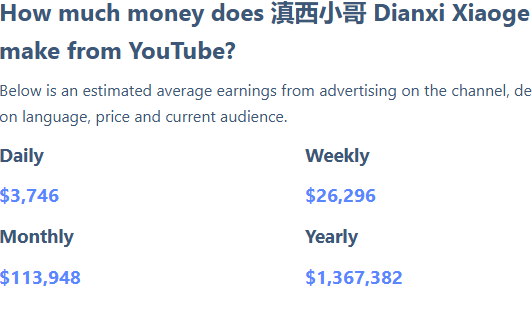
China has a unique aesthetic that the global market is obsessed with. Lifestyle vlogging is a premier China online business idea because it relies on your perspective rather than expensive equipment. Creators like Dianxi Xiaoge have proven that documenting local life can generate over $100,000 USD per month in ad revenue alone.
-
How it Works: Pick a niche angle—be it rural “slow living,” urban tech-fashion, or traditional cooking. Film using a smartphone and upload to YouTube (Global) or Bilibili (China). Monetize through AdSense, sponsorships, and affiliate links.
-
Target Audience: Global viewers seeking escapism and cultural enthusiasts.
-
Startup Costs: $0 (assuming you own a smartphone).
-
Skill Level: Intermediate (requires storytelling and basic video editing).
-
Profit Expectations: $1,000 – $100,000+ per month for established channels.
-
Challenges: Requires extreme consistency and a unique “hook” to stand out.
8. AI-Powered “Pet-Tech” Entertainment
Rebranded as: Synthetic Viral Pet Channels
If you’re camera-shy, 2026 has provided the perfect alternative: AI-generated entertainment. Pet content, specifically “AI Cats,” is a massive trend. Channels like OrangeCatYT attract millions of views by providing stress-relief content that doesn’t require owning a real animal.
-
How it Works: Use AI video generators (like Gemini, Hailuo, or Sora) to create funny, surreal pet stories. You feed a prompt into the AI, edit the clips, and post to YouTube or Douyin.
-
Target Audience: General entertainment seekers, families, and stressed professionals.
-
Startup Costs: $0 – $50/month (Free tiers are available, but premium AI packages offer better resolution).
-
Skill Level: Beginner (AI prompt engineering).
-
Profit Expectations: $500 – $5,000 per month via AdSense and licensing.
-
Challenges: High competition; staying ahead of AI copyright regulations.
9. Authority Blogging & The “China AdSense” Model
Rebranded as: The Niche Knowledge Asset
While social media is flashy, search engines are where the high-intent money lives. International audiences are constantly searching for “How to trade with China” or “Chinese skincare secrets.”
-
How it Works: Identify a niche, register a domain, and use AI to help draft SEO-optimized articles. Once you have traffic, apply for Google AdSense. Google places ads on your site, and you get paid every month (typically between the 21st and 24th).
-
Target Audience: International traders, expats, and niche hobbyists.
-
Startup Costs: $50 – $100 (Domain name and hosting).
-
Skill Level: Intermediate (SEO and content strategy).
-
Profit Expectations: $300 – $3,000+ per month as your organic traffic grows.
-
Challenges: Takes 3–6 months to gain SEO traction; requires high-quality, helpful content.
10. Service-Based Affiliate Marketing
Rebranded as: The Digital Referral Architect
This is the ultimate low investment business because you don’t create products. You connect people to high-quality services that already exist in China’s booming service sector.
-
How it Works: Partner with specialized service providers—such as top-tier dental clinics, skincare specialists, or graphic design agencies. Create content on WeChat or Xiaohongshu recommending them. You earn a commission for every sale or booking made through your referral.
-
Target Audience: Locals or expats looking for trusted professional recommendations.
-
Startup Costs: $0 (Social media based).
-
Skill Level: Intermediate (Marketing and persuasion).
-
Profit Expectations: $500 – $8,000 per month depending on the “high-ticket” nature of the service.
-
Challenges: Building and maintaining audience trust; verifying the quality of partners.
Why Start in 2026?
China’s infrastructure is built for digital speed. With 5G/6G ubiquity and a population that lives entirely on mobile, the “Digital Silk Road” is more accessible than ever. By utilizing AI to lower your production costs, you can compete with established agencies from your bedroom.
Which of these five ventures will you launch to claim your stake in the 2026 digital boom?